



Somerset MPs have urged the government to "secure the long-term future" of Somerset's carnivals in the face of rising costs.
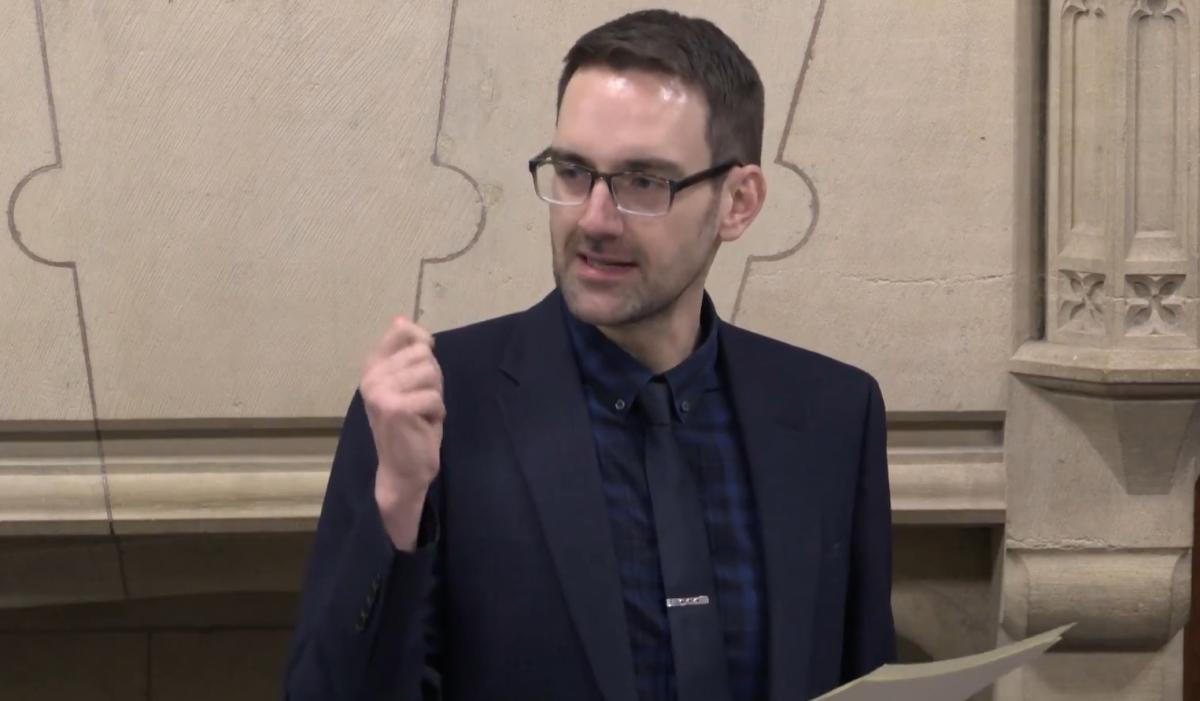
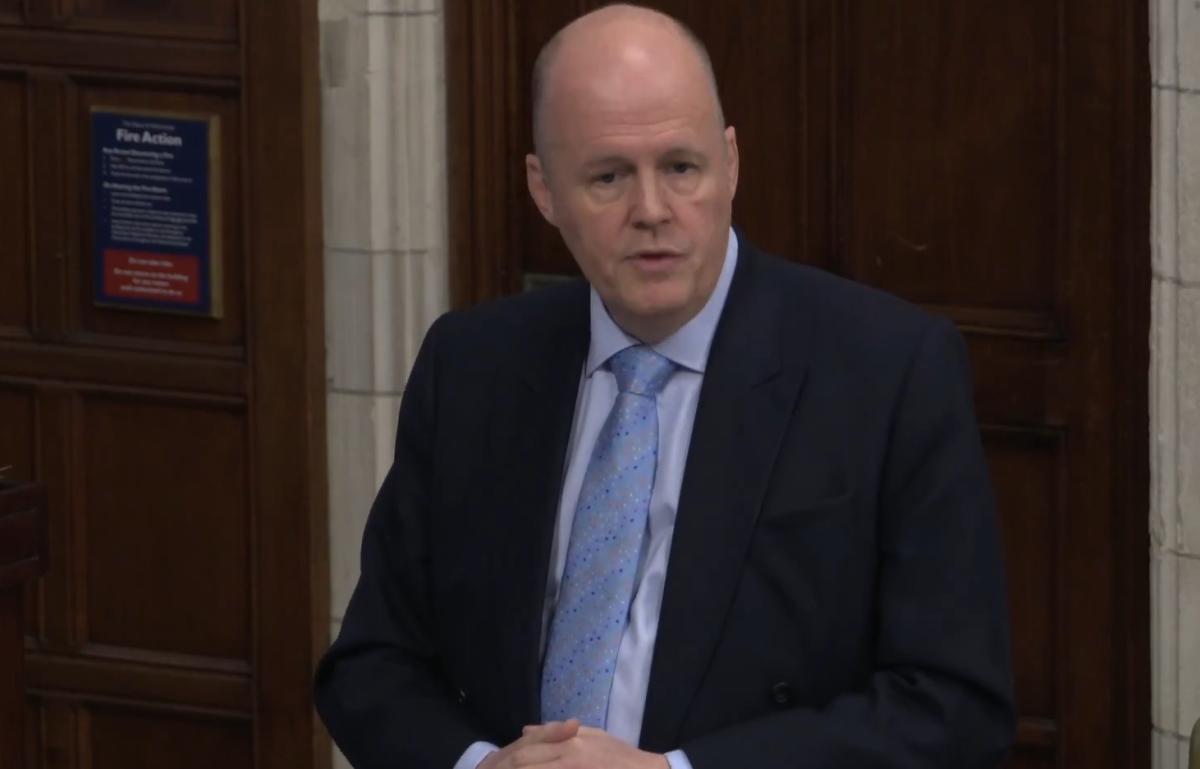
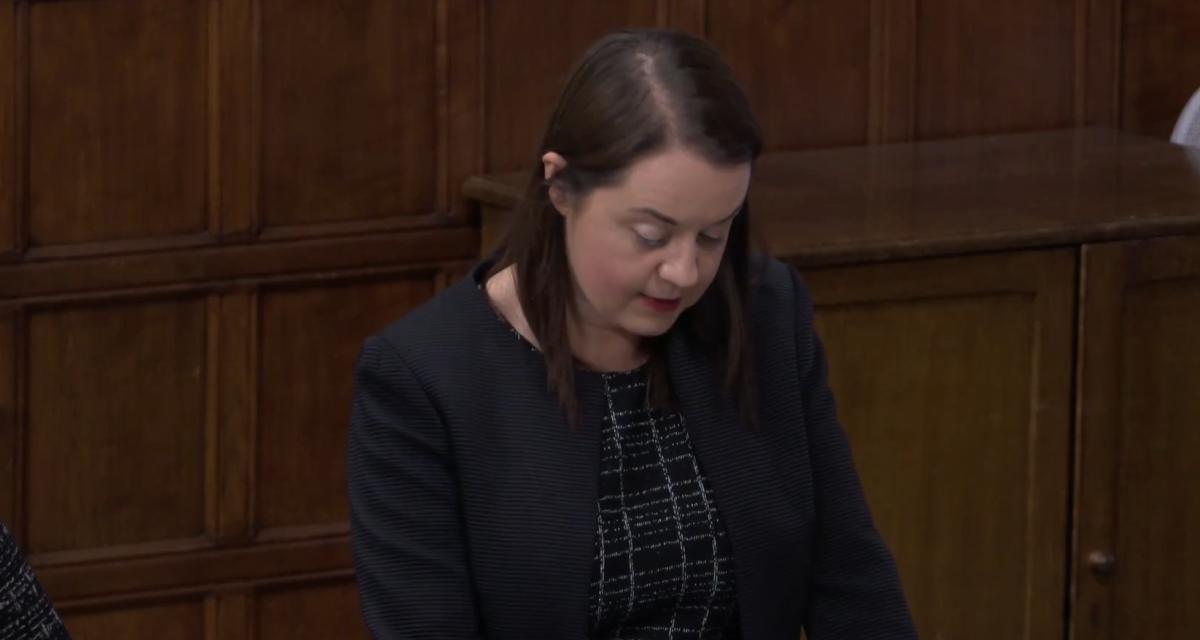
Four Somerset MPs spoke at a Westminster Hall debate on the future of carnival on March 12, highlighting the numerous economic, social and cultural benefits which the annual events bring to their corners of the West Country.
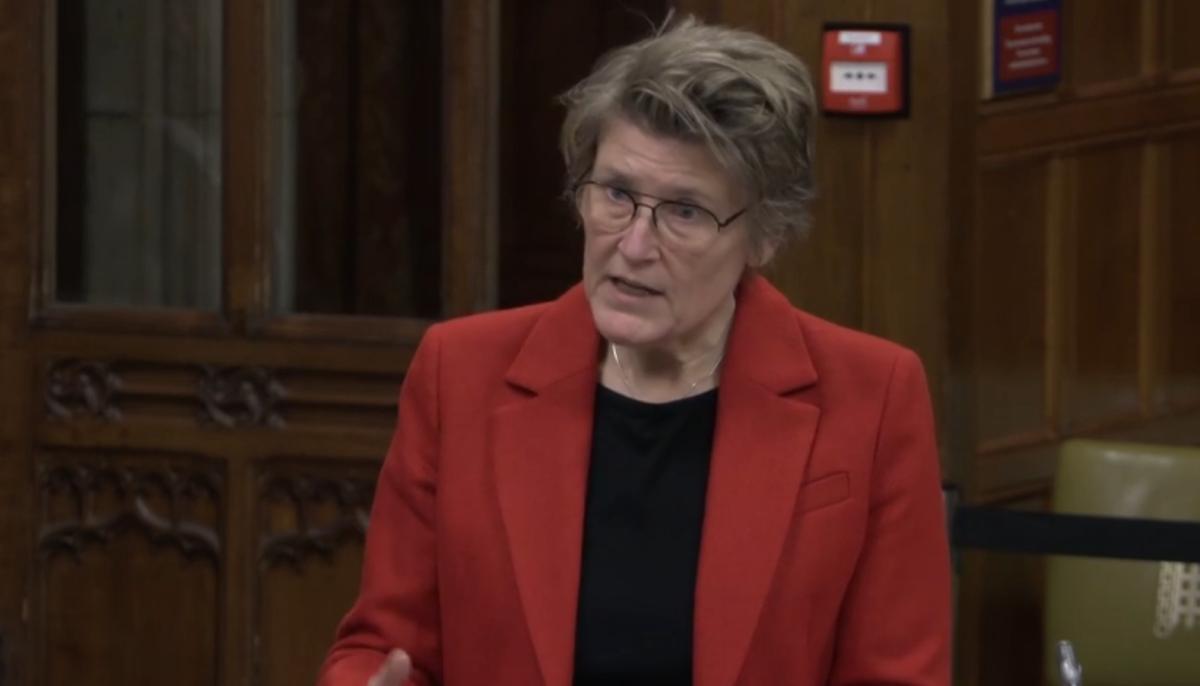
Glastonbury and Somerton MP Sarah Dyke MP, who led the debate, said the government needed to provide additional funding and support to offset rising energy and insurance costs, ensuring that the events would continue long into the future.
The government has said it will work with MPs on funding opportunities for carnivals as part of its 'arts everywhere' initiative.
Ms Dyke opened the debate in Westminster Hall on March 12, following a round table meeting of local carnival club she chaired in Glastonbury the week before.

She said: "Carnivals have been celebrated in Somerset for over 400 years and continue to be wonderful celebrations that are of economic, social and cultural importance to the country.
"The number of hours that each club and each committee puts into building and maintaining their carts and organising each carnival is simply astounding.
"Mini Sheppard, a member of the Mendip Vale carnival club, spends six nights a week committed to assisting local carnival clubs, while building and maintaining carts.
"For most people involved in carnival, this dedication spans decades; for some, it is a lifetime.
"It is incumbent on the government to ensure that they remain a living part of our heritage and are not allowed to disappear from Somerset’s streets."
Read more
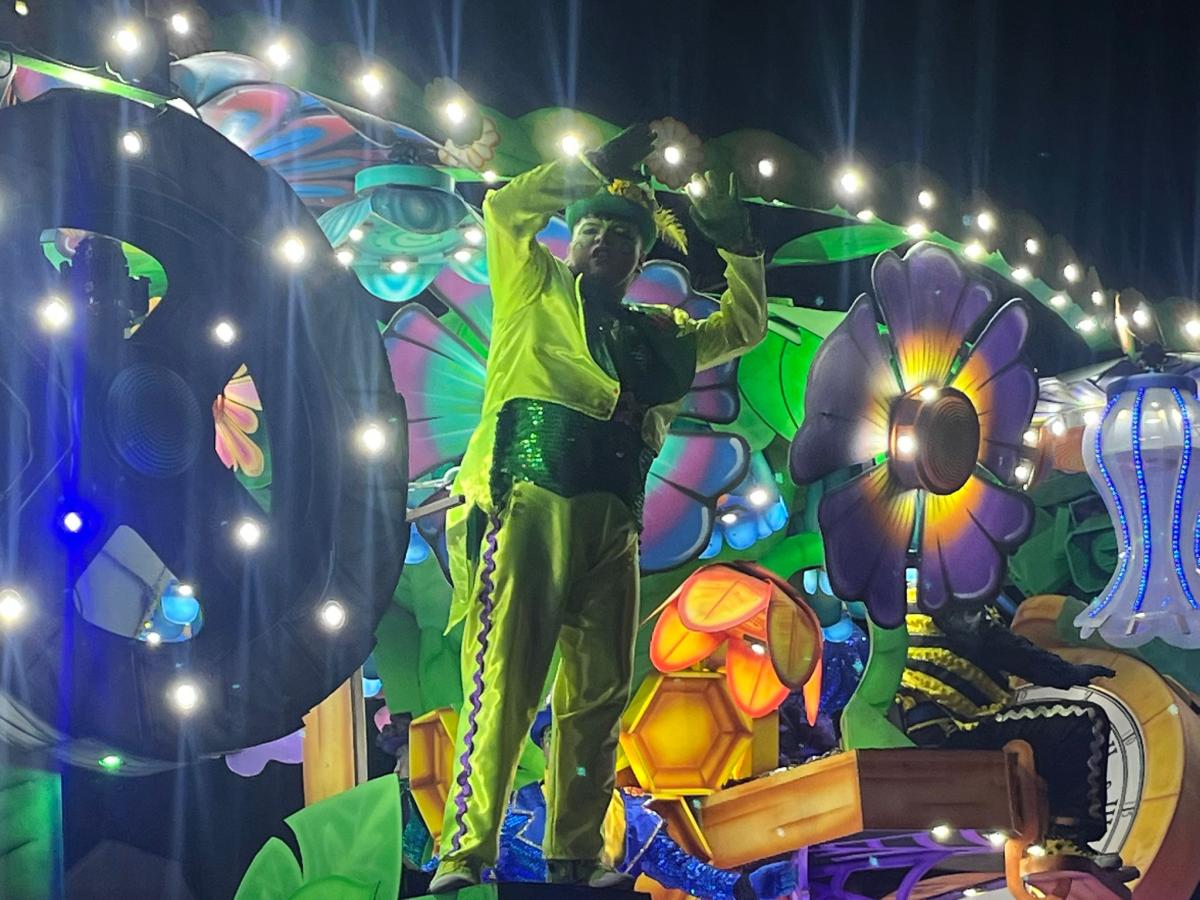
Ms Dyke said that the Somerset carnival circuit contributed more than £40m to the local economy every year, providing a "major boost" for local businesses and being an essential funding source for local clubs and charities.
She added: "For young people for whom the traditional education system just is not suitable, carnivals provide an outlet to develop skills, learn from experienced volunteers and contribute to their community.
"Sally Taylor from Wick Carnival Club in Glastonbury has stressed the role that clubs play in helping young people with special needs to gain skills and opportunities - but for that to continue, we must make sure that carnival clubs can access safe and secure premises from which they can operate."
Somerset Council's planning committee south voted in January to approve the new South Somerset carnival park, with land at Longforward Lane in Kingstone, near Ilminster, being set aside for four carnival clubs to construct and store their carts.
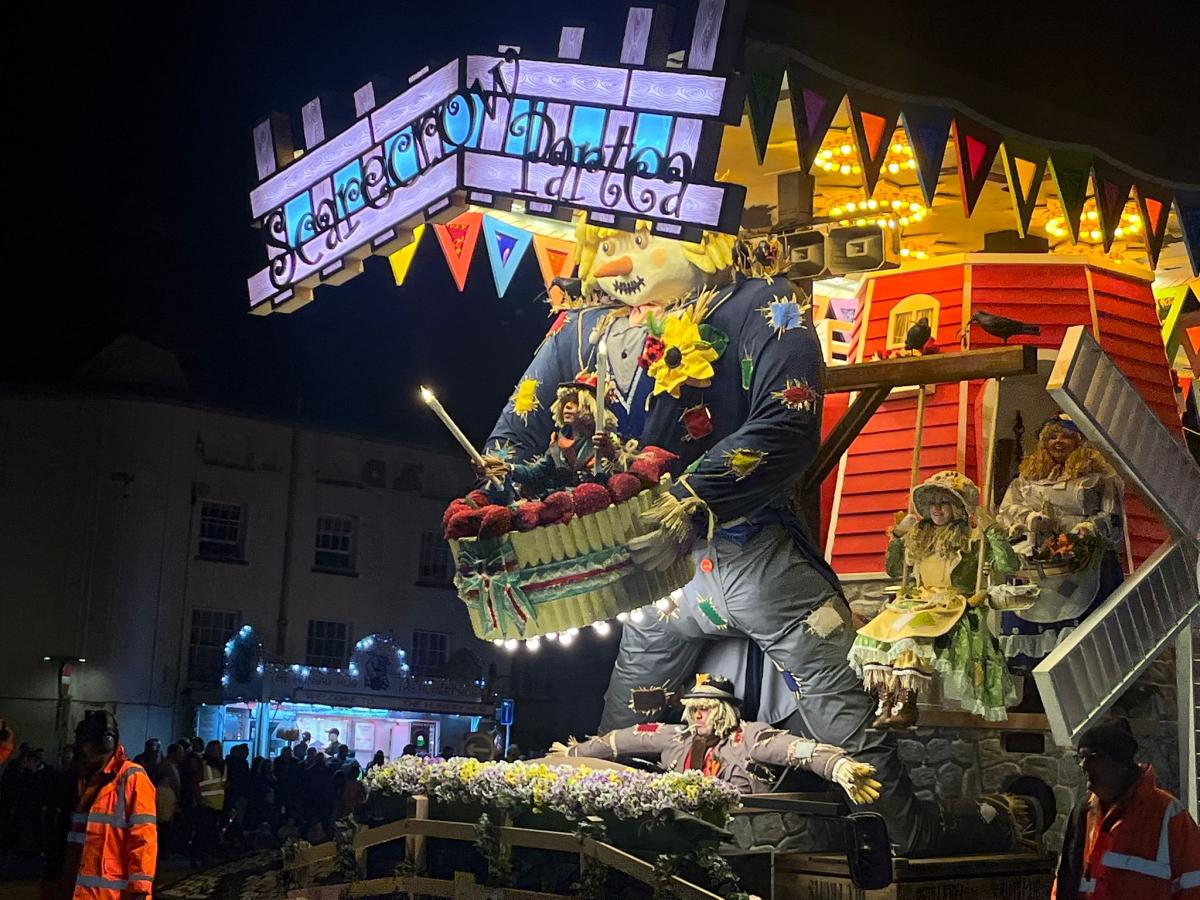
Ms Dyke warned that rising energy and transport costs had left many carnival clubs in a precarious position, with putting a single illuminated cart on the road now costing in excess of £30,000.

She said: "The costs include materials, fuel, tractor and generator hire, insurance and health and safety compliance; all those costs have risen and continue to rise.
"Historically, carnival clubs have sustained themselves through a combination of membership fees, local fund-raising and sponsorship from local businesses - but with small businesses navigating a challenging fiscal landscape, many simply cannot afford to sponsor local clubs, no matter how much they value them.
"Volunteers are key to running successful carnivals, but with fewer volunteers available, some carnival committees, such as Castle Cary’s, are now forced to pay professional marshalling costs to assist with manning the road closures.
"Reg Cohen, president of the Glastonbury Chilkwell Carnival, tells me that street collections have been falling year on year, with the coins and notes that once filled collection buckets becoming far less common in an increasingly cashless society.
"Carnival committees in Somerset have attempted to adapt by introducing QR codes and digital donations, but in many of Somerset’s rural towns, unreliable mobile signals make that almost impossible."

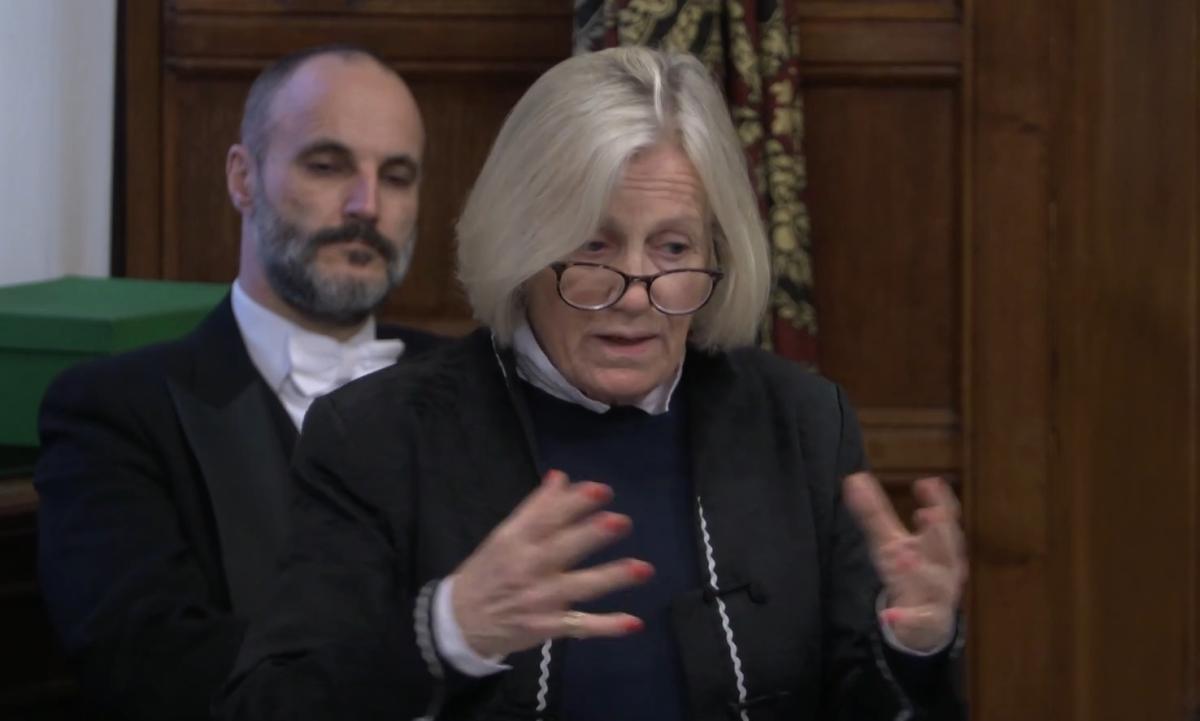
Tessa Munt MP (Lib Dem, Wells and Mendip Hills) said she had seen first-hand how poor mobile signal in her constituency had led to dwindling donations on carnival nights.
She said: "In parts of Shepton Mallet, the city of Wells and almost the whole of the way east of Wells is without any WiFi, even for those who live there. That makes things incredibly difficult."
Dan Aldridge (Labour, Weston-super-Mare) said that Weston Carnival was "so impressive and integral to my town’s identity", sharing how important it had been to multiple generations of his family.
He said: "One annual tradition is for my mother to say that she is 'not going in this weather', only to rally at the last minute with a pint of Thatcher’s - well done, Mum.
"Another is trying to find my sisters, nephews and niece, who insist on setting up camp at one end of town despite knowing that I like the other end of town, and getting across town is a bit of a battle.

"Carnival speaks to something fundamental in us all: the need for not only community, but light and joy in the cold winter months.
"For children, going to carnival with their parents is a thing of wonder. It is the most amazing thing to watch young children with their families have these bright eyes and be so in awe of it.
"If we are serious about growth that is felt across all our communities, investment cannot be confined to summer tourism and hospitality. We must back the wonderful things, such as carnival, that already exist.
"We must play to our strengths. If we do, coastal economies and towns such as mine can grow sustainably and thrive for the next generation."
Sir Ashley Fox (Conservative, Bridgwater) used his speech to pay tribute to the organisers of the annual Bridgwater Carnival, which he described as "a magnificent spectacle".

He said: "I want to pay tribute to the many volunteers who make costumes, rehearse their acts, construct their carts, judge the entries, raise funds, and undertake the many other hundreds of tasks that are necessary to put on this fantastic spectacle.
"I particularly thank Dave Creedy, the president of the Bridgwater Guy Fawkes carnival, and his committee for their tireless work.
"While carnivals are an extraordinary spectacle that attract hundreds of thousands of tourists to Somerset’s towns every year, they are increasingly expensive to run.
"The cumulative effect is to make life more difficult for the great teams of volunteers who put in so much work to run our carnivals across Britain.
"Will the minister commit to working on a cross-party basis to ensure that this great tradition is able to continue for another 180 years?"

Stephanie Peacock MP, parliamentary under-secretary of state for culture, media and sport, praised the "passionate commitment" of both MPs and carnival volunteers in keeping Somerset's various circuits alive.
Ms Peacock (who represents the Barnsley East constituency) said: "As an art form rich in cultural heritage and global influence, we continue to fund carnival arts right across the country via the grant-in-aid investment in Arts Council England.
"I will make sure my department writes to each honourable member here after the debate about access to this funding.
"Our 'arts everywhere' ambition ensures that carnival is not merely a seasonal event, but a sophisticated year-round art form that supports places to thrive, generating millions of pounds in benefits and telling our nations’ stories.
"This debate is important because of the impact that carnival has on tourism and the visitor economy, not just on the arts.
"Our ambition is clear: we want to welcome 50 million international visitors annually by 2030. But we recognise that numbers alone are not the measure of success.
"We must ensure that those visitors stay longer and explore further, reaching beyond our major hubs and into the rural and coastal heartlands."


Share