





A Somerset MP has urged the government to "think long and hard" before it pushes forward with any kind of 'tourism tax'.
The Labour government held a consultation on allowing mayoral strategic authorities in England the power to create "local overnight visitor levies" - essentially charging tourists an additional fee to stay in a given location, with the money being reinvested into local services.
The consultation concludes on February 18, with the feedback currently being analysed by the Ministry of Housing, Communities and Local Government (MHCLG) before any formal proposals are laid before parliament.
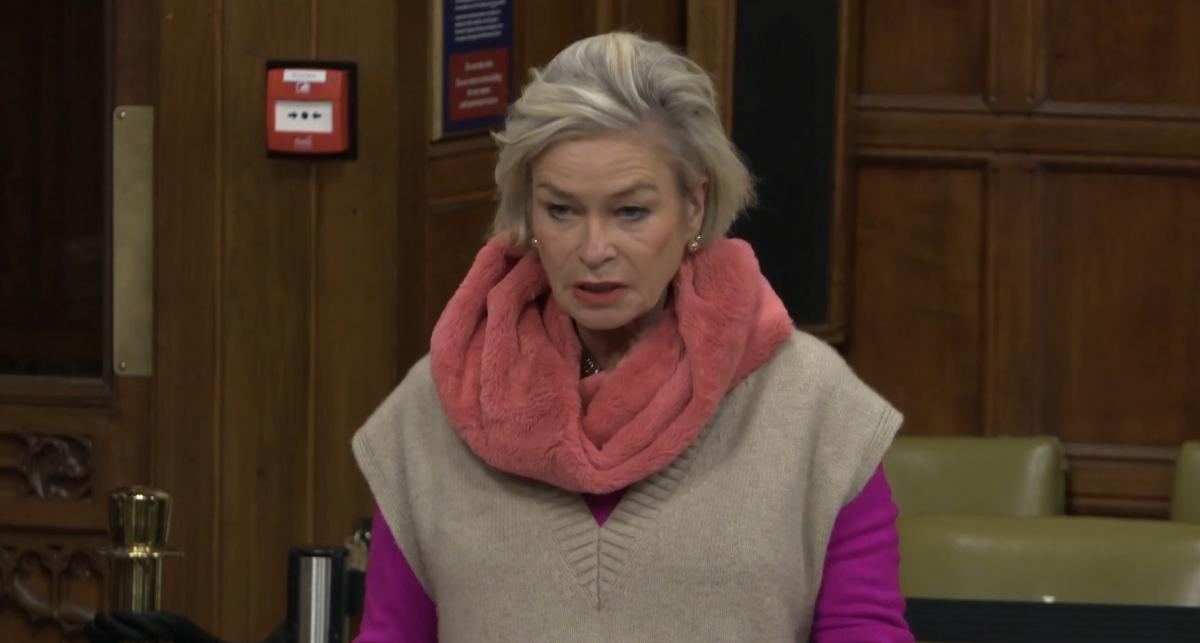
But Rachel Gilmour, the Liberal Democrat MP for Tiverton and Minehead, has warned that imposing such a levy could put additional pressure on the hospitality sector, leading to job losses and fewer visitors to the West Country.
Mrs Gilmour made her comments during a Westminster Hall debate on Wednesday afternoon (March 25), stating that tourism was "the lifeblood of our local economy".

She elaborated: "On Exmoor alone, the visitor economy supports around two-thirds of all employment. We have 8.4 million visitor days a year, generating economic activity of £682m.
"In principle, I am a firm believer in localising power and placing decisions as close as possible to the communities affected.
"Therefore, the idea of giving local authorities the ability to introduce a visitor levy is not something I instinctively oppose.
"However, we must be honest about the context. Hospitality businesses are operating in the most extraordinarily challenging climate.
"Many are already swamped by red tape and administrative burdens, and introducing a new levy now risks imposing yet another layer of cost and complexity.
Read more
"Businesses will have to update systems, retrain staff and absorb the administrative load. For many small operators, that is not a trivial undertaking."
The consultation asked for input from councils, businesses and individuals on a range of issues surrounding any planned 'tourism tax' - including how it should be collected, which types of accommodation would be included, and whether this power should be extended to areas like Somerset which do not currently have elected mayors.
Mrs Gilmour continued: "Visitor levies across Europe typically sit alongside much lower VAT rates.
"If we want to maintain our competitive edge, the government must think long and hard about this issue and get the balance right.
"If they wedded the tax to a VAT slash, as proposed by my party, they would have my ear, but only on the basis that it was a hypothecated [sic] tax for the sole benefit of my constituents.

"If the government is determined to press ahead, I seek very clear assurances on behalf of the people I represent.
"Any revenues raised must be ringfenced, without condition, for reinvestment in the local visitor economy - and, crucially, within the immediate geography in which they are generated.
"They must not be absorbed into broader local authority budgets unless clearly aligned to defined visitor economy strategy. Otherwise, any levy becomes an additional tax, not a growth tool."
Somerset Council managed to balance its budget in March in the face of rising pressures on children's services and adult social care - though it did lose out on an estimated £21m of 'rural remoteness' funding following the government's fair funding review.
Mrs Gilmour said this decision had impact of this changes was "real and significant" for her constituents, and warned non-mayoral authorities "could be left at a disadvantage" unless steps were taken to narrow the funding gap between urban and rural areas.

She added: "Crucially, we must ask whether any levy would genuinely support the local economy, or whether the risks to the hospitality sector would outweigh the benefits.
"Visitor spending does not stop at the hotel door; it sustains pubs, shops, attractions and transport. Any reduction in visitor numbers could ripple across the entire local economy.
"I place on record my positive recognition of the Somerset and Exmoor local visitor economy partnership, which is already doing vital work to strengthen and co-ordinate our tourism offer. Any levy must complement, not undermine, such efforts."
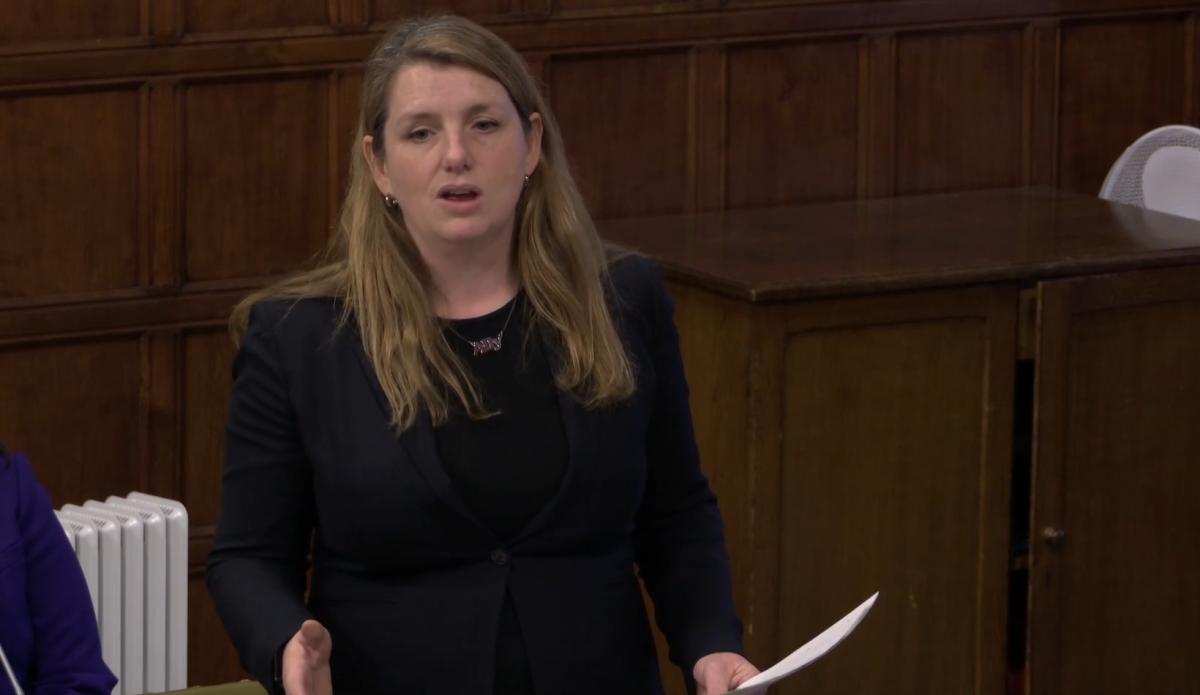
Housing minister Alison McGovern MP said that the UK was seeking to learn best practice from both its European neighbours and the devolved governments in Scotland and Wales, which have already introduced visitor levies.
Ms McGovern (who represents the Birkenhead constituency) said: "We have seen internationally how well-designed visitor levies can support growth, making places better to live, work in and visit, while also strengthening tourism and local businesses.

"Visitor levies have been used internationally for tourism, promotion and marketing, sustainable tourism projects, public transport, parks, public facilities, cultural heritage, restoration and so on.
"The principle is very straightforward: visitors who benefit from local services and amenities make a fair contribution to maintaining and improving them.
"Mayors will be best placed to judge whether a levy is right for their area, reflecting different priorities, their own economies and local democratic accountability.
"Any money raised through a visitor levy should be reinvested in those places where it is generated. That is why we propose that the decision on how those revenues are spent should sit with local leaders, who can best understand local needs, pressures and opportunities.
"The levy must be fair and proportionate, which is why we consulted on the different types of accommodation to which it should apply.
"We want to give leaders the powers and tools they need to support growth, to introduce policies that can help shape their communities and to give their place the strongest possible future.
"By strengthening devolution and giving communities a greater say over their own revenues, we can build a system that is simpler, more accountable and better able to deliver for the people of this country."


Share