





Somerset MP have come together to demand the government provide additional funding to support pharmacies in rural areas.
As part of its ten-year plan for the NHS, the Labour government is encouraging more people to get minor conditions treated at pharmacies, relieving the pressure off GPs, urgent treatment centres and A&E departments at acute hospitals.
The Department of Health and Social Care (DHSC) has provided additional funding for pharmacies in a bid to put this change in place, ensuring people can be treated and access medication without having to travel long distances.
But three of Somerset's Liberal Democrat MPs have warned that this funding will not be enough to keep pharmacies open, citing concerns over red tape, recruitment and local transport.
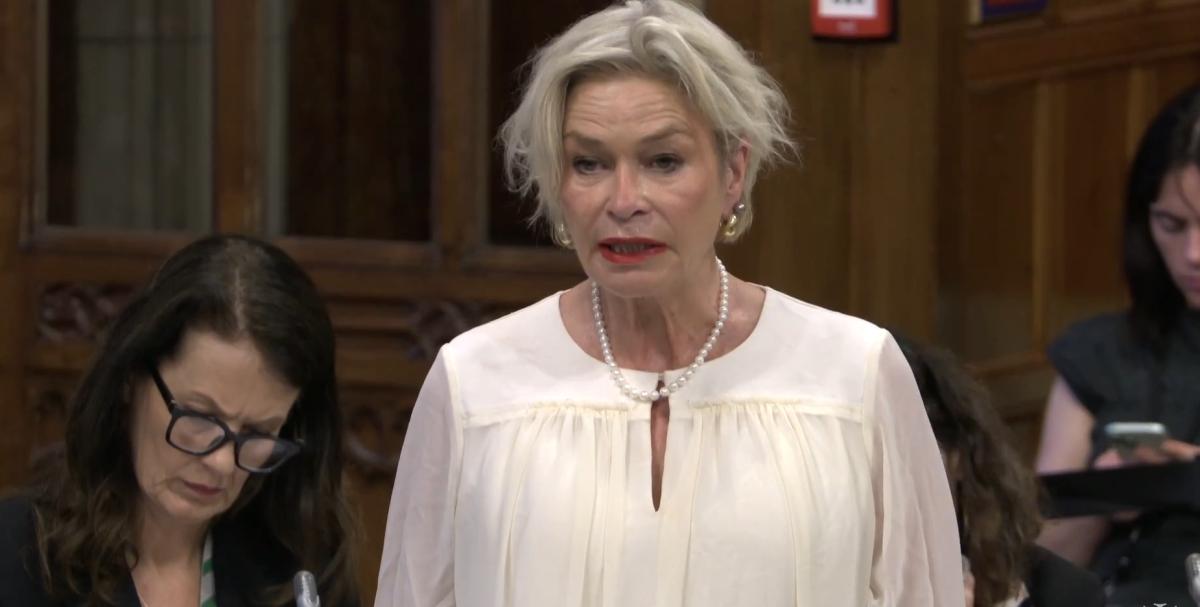
Rachel Gilmour MP (Tiverton and Minehead) raised the issue in a Westminster Hall debate on Tuesday (June 2).
Read more
Mrs Gilmour said that community pharmacies operated in "an incredibly fragile system", with more than 1,000 closing their doors since 2016 and the remaining businesses having to provide a wider range of services without real terms increases in funding.
She said: "The community pharmacy network has had to absorb real terms cuts of 30 per cent in government funding.
"For most community pharmacies, NHS funding accounts for 90 to 95 per cent of their annual income.
"That is simply not a sustainable business model; it is a slow strangulation. The government’s own independent economic analysis, published as recently as March this year, found the gap to be £2bn a year."
The government recently announced that the community pharmacy budget would rise by 10.3 per cent this year to just over £3.6bn - making it easier for patients to access a wider range of NHS services without visiting a GP or an urgent treatment centre.

Mrs Gilmour welcomed this additional investment as "a positive step", but said the settlement was "still far short of what pharmacies need to keep their doors open".
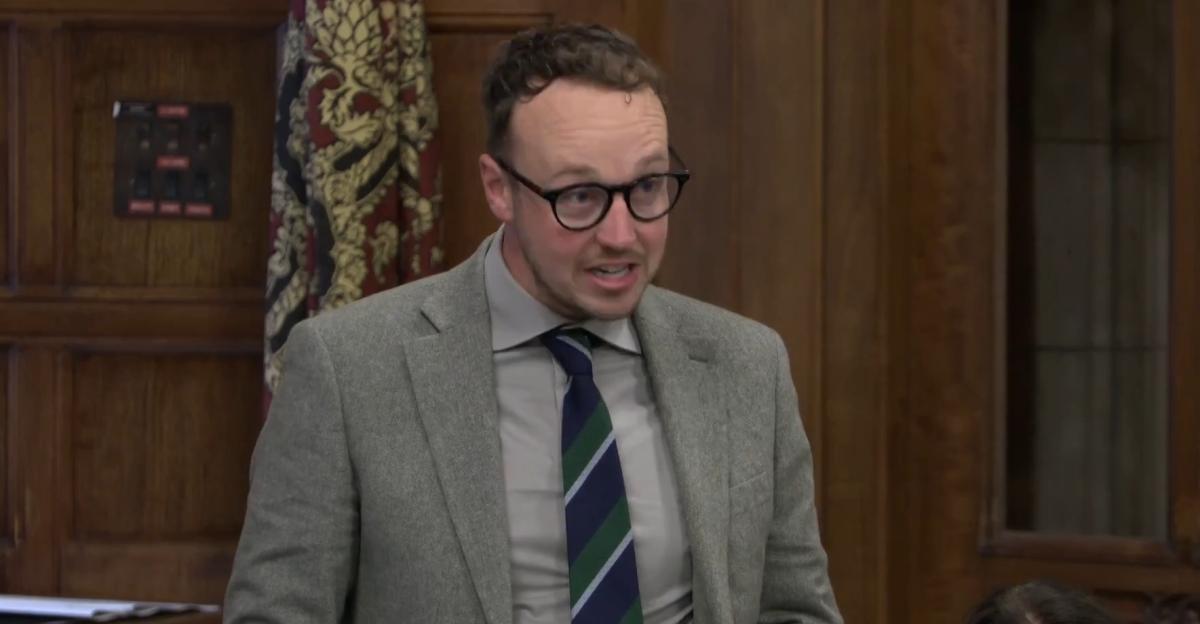
Adam Dance MP (Yeovil) said that rural pharmacies needed support to recruit additional staff in addition to this funding increase.
He said: "Pharmacists such as Max, who runs South Petherton pharmacy, are taking care of constituents from the other side of my constituency.
"Our pharmacies in rural areas are expected to do more and more with little extra help.
"Alongside greater funding, we need to see the government use the NHS workforce plan to properly expand the pharmacy workforce?"

Mrs Gilmour concurred: "There are 16 pharmacies across Tiverton and Minehead, serving a population of approximately 91,200.
"On average, they dispense 113,000 prescriptions every month because they are busy, essential, community institutions.
"The distances, the limited public transport and the dispersed nature of rural populations mean that the closure of a single pharmacy can represent a genuine healthcare crisis for thousands of people."
Bishop's Lydeard lost its pharmacy in March 2024, being replaced with a dispensary solely for patients at the Quantock Vale surgery.
Mrs Gilmour's constituency has also been affected by the "poor" performance of Jhoots, which ran a number of pharmacies before being replaced by Allied Pharmacies.

She said: "It seems manifestly unfair that community pharmacies, which are front-line NHS providers in every meaningful sense, are required to pay full business rates, while GP surgeries and dental practices do not face the same burden.
"Pharmacies are the engine of community care and offer an opportunity that the Government have not fully grasped.
"The thrust of the government’s health strategy has been care in the community, devolving healthcare back to local settings, with neighbourhood health structures and a shift away from hospitals to primary and preventive care.
"All of that is absolutely right, but cannot be delivered without the community pharmacy network. The funding must match the words."
Gideon Amos MP (Taunton and Wellington) said that the government needed to ensure the NHS was responsive to local people's needs, especially when it came to keeping pharmacies open and accessible.

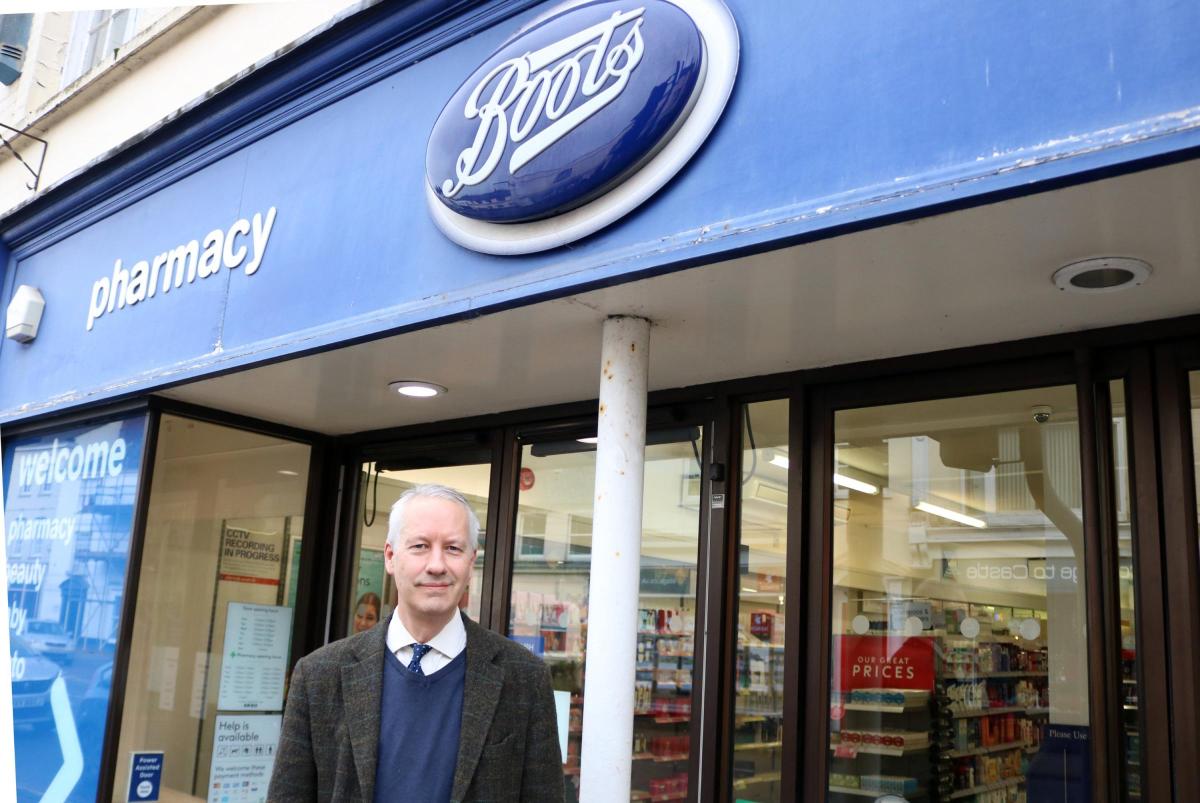
He said: "Wellington went from having four pharmacies to having just two. The Boots pharmacy in the medical centre closed, followed by Jhoots in September 2025, leaving its staff in the parlous state that my honourable friend referred to earlier.
"That left only two pharmacies - Superdrug and Boots - for a town of 17,000 residents. Queues that were 15 people deep formed, Boots completely failed to scale up to meet the challenge, medicines were not ordered in time and patients became anxious.
"Due to huge pressure, the situation was eventually turned around, but it should not be a matter of communities having to rise up against the challenges and rules of the NHS to get or restore pharmacy provision in a town of this size.
"Wellington is a textbook case of a town where housing growth is outrunning the provision of infrastructure. Essential services should be built in from the start, not promised after the fact, and definitely not reduced by half."
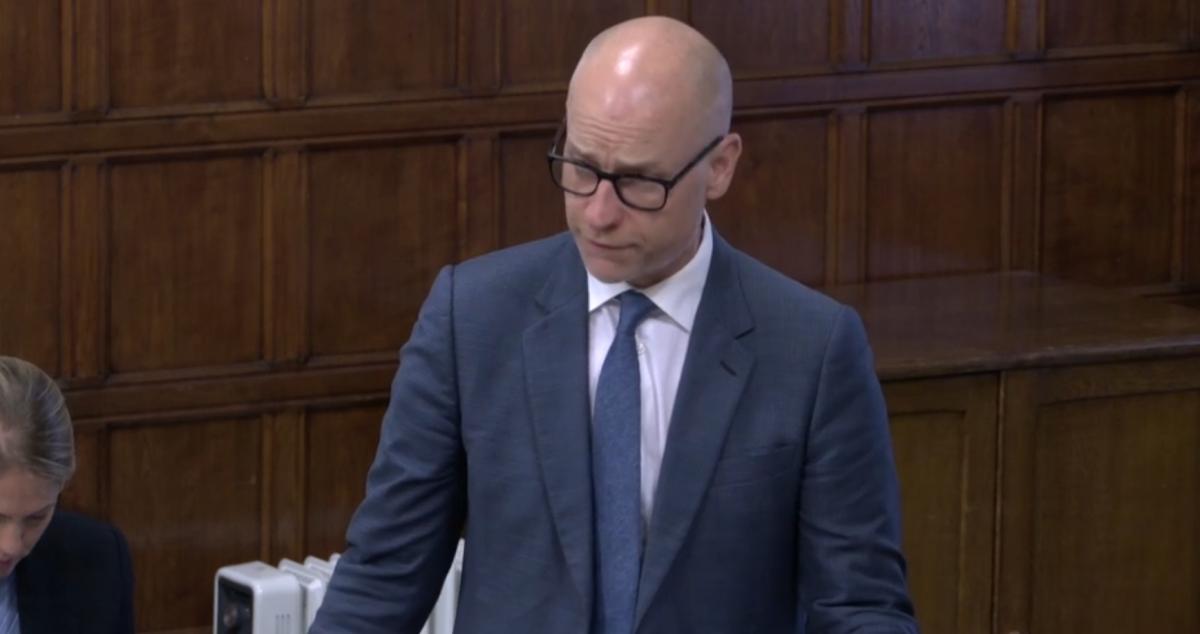
Minister for care Stephen Kinnock MP said the government had "continued to reverse the decades of cuts to community pharmacies" and had frozen prescription charges for two years in a row.

He added: "We all know that we simply cannot make the shift from hospital to community without our community pharmacies.
"I acknowledge that access is not the same in all areas of the country. Rural areas often have fewer community pharmacies, so people have to travel further to access a pharmacy as well as other services.
"The government is committed to supporting the critical role that pharmacies play in serving their communities.
"The 10 per cent uplift is almost three times the growth of the overall NHS budget, and it shows that when we talk about making the left shift, we are putting our money where our mouth is.
"In the NHS that is fit for the future, pharmacies will play a key role in the shift from hospital to community.
"We are fully committed to putting pharmacies right at the heart of getting our NHS back on its feet and fit for the future."


Share