


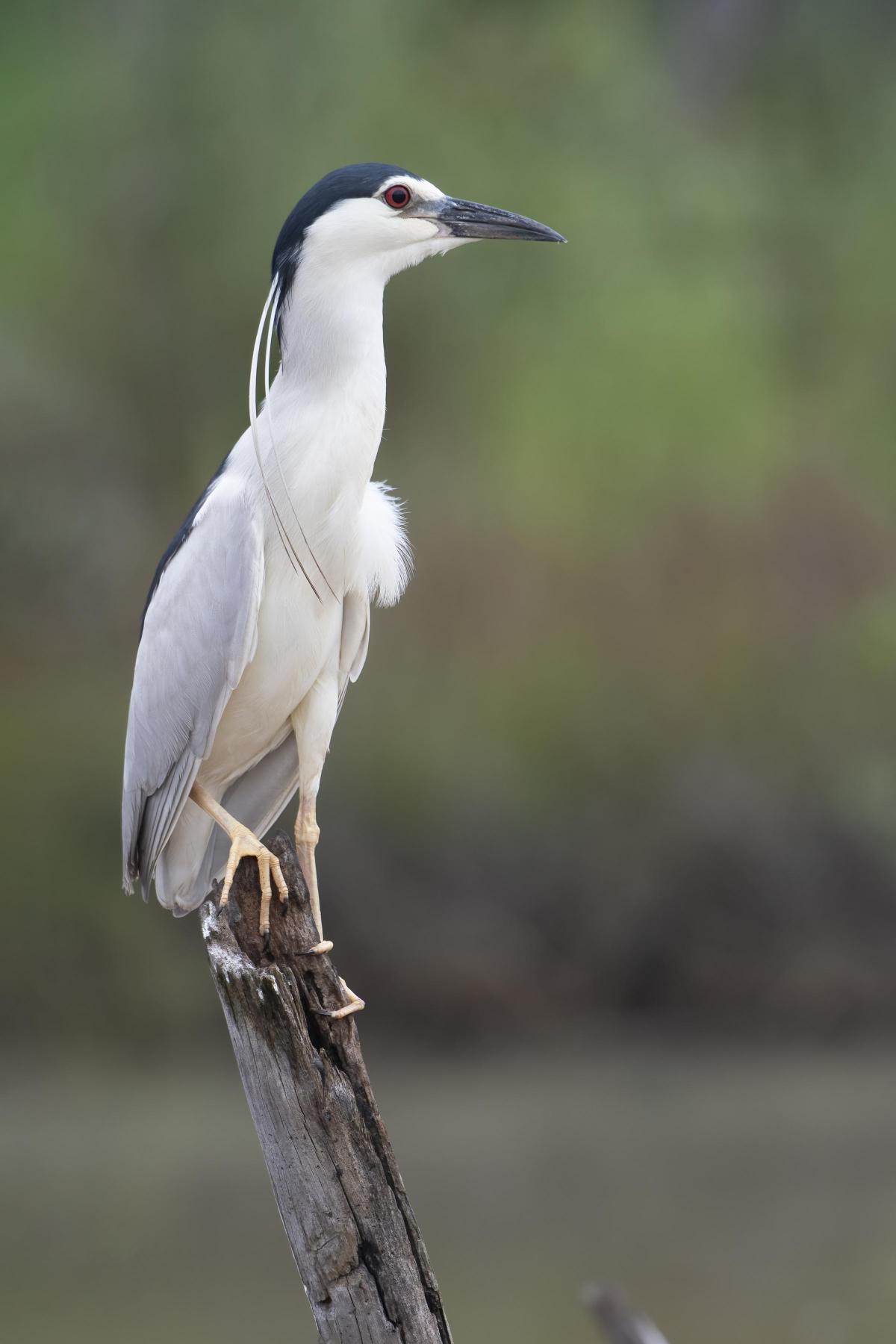

An incredibly rare bird usually seen at night has been caught on camera on a Somerset estate – and conservationists say it could be a sign that new wetlands are starting to draw in some of nature’s most hard‑to‑spot visitors.
The black‑crowned night heron is relatively common across Africa, Asia, the Americas and Europe, but remains a scarce visitor to the UK.
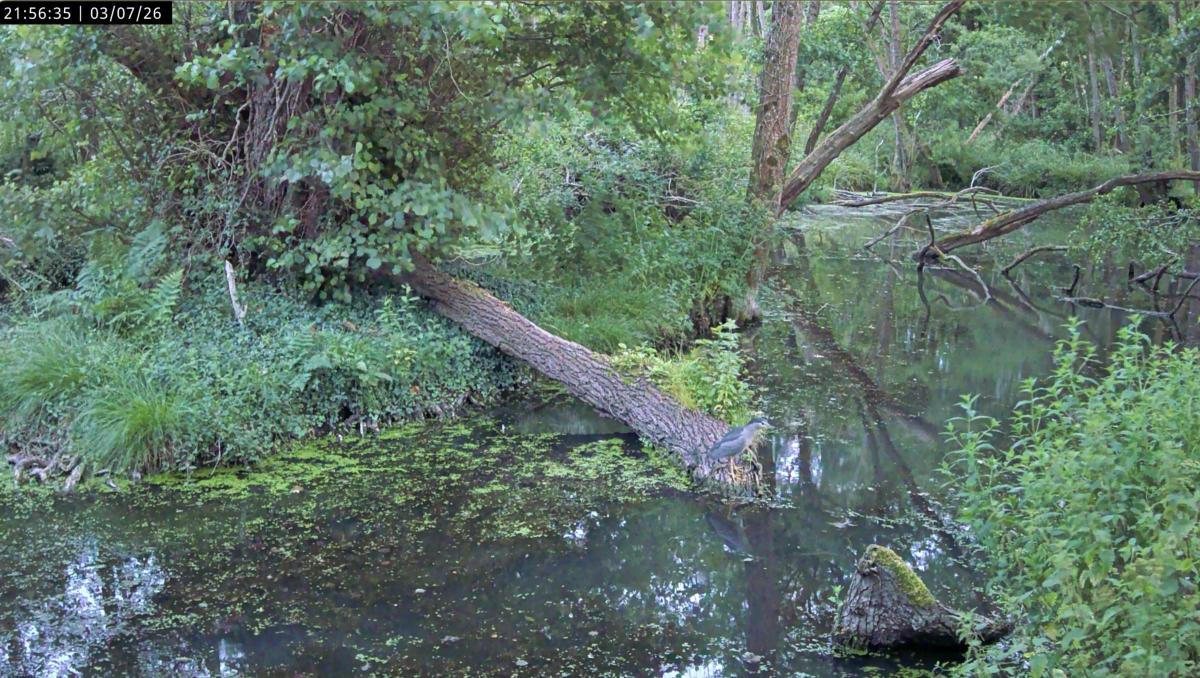
Special cameras at the National Trust’s Holnicote Estate in Somerset captured the night heron on three consecutive days.
Read more
Somerset estate helps bring turtle doves back from the brink
'A pinch me moment' - Somerset fans fly flag supporting England at World Cup
The Taunton civil servant whose years of work has been honoured by the King

The British Trust for Ornithology says it is “too rarely reported to map [its] distribution”, and the first confirmed breeding of night heron in this country was only recorded in Somerset in 2017.
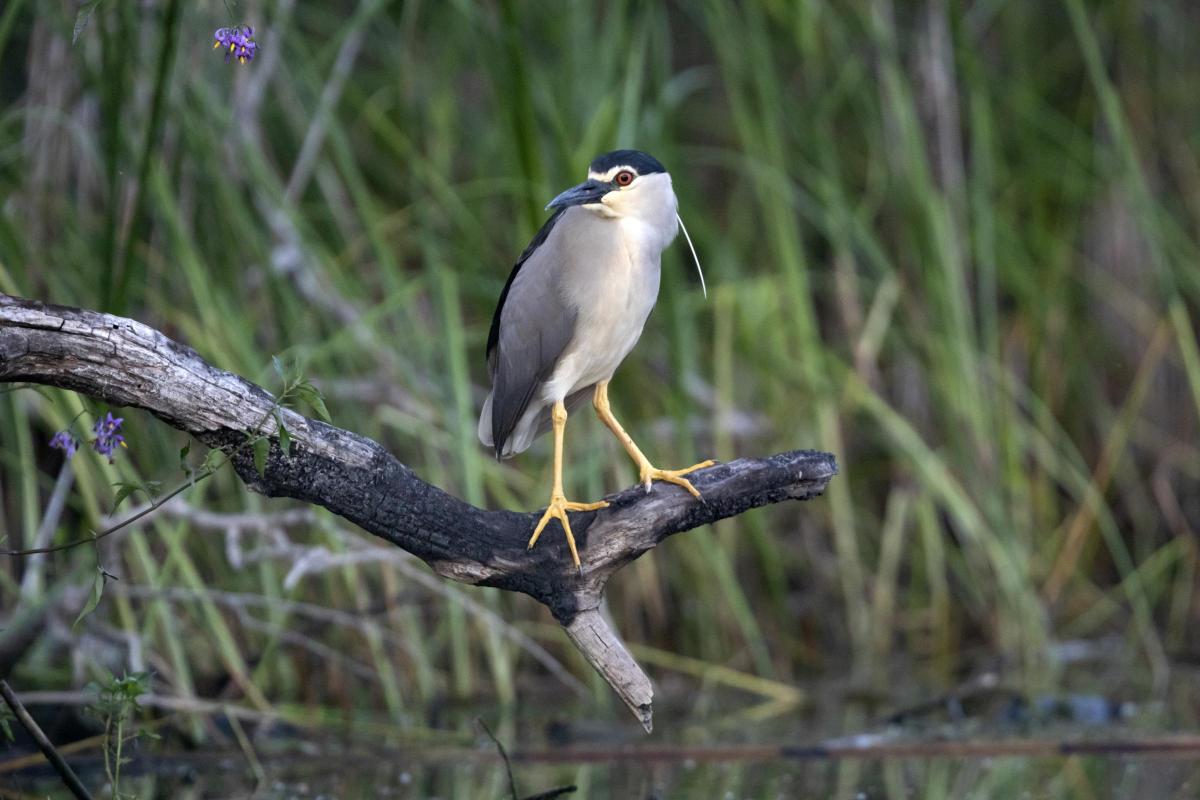
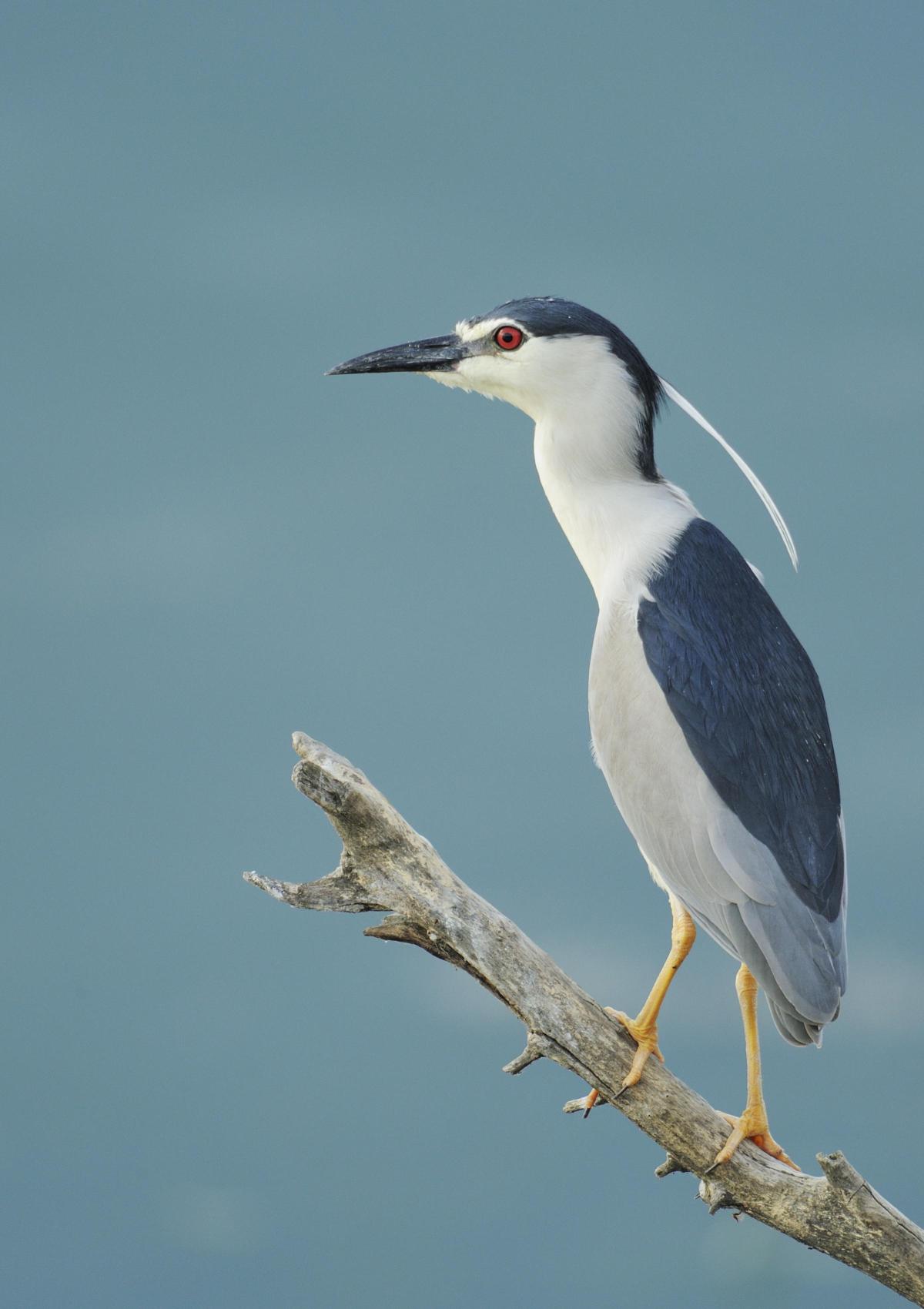
The rare bird typically grows up to around 66cm, roughly half the length of the more common grey heron. It has grey plumage, yellow legs and a distinctive black “cap” with long white plume feathers. The black‑crowned night heron is mainly active at night, making sightings particularly difficult without remote cameras.
Ben Eardley, Restore Nature Project Manager for Somerset Coast and Countryside, said: “It’s rare to see this wetland species in the UK and so exciting that we have observed one on our estate cameras on three consecutive days.

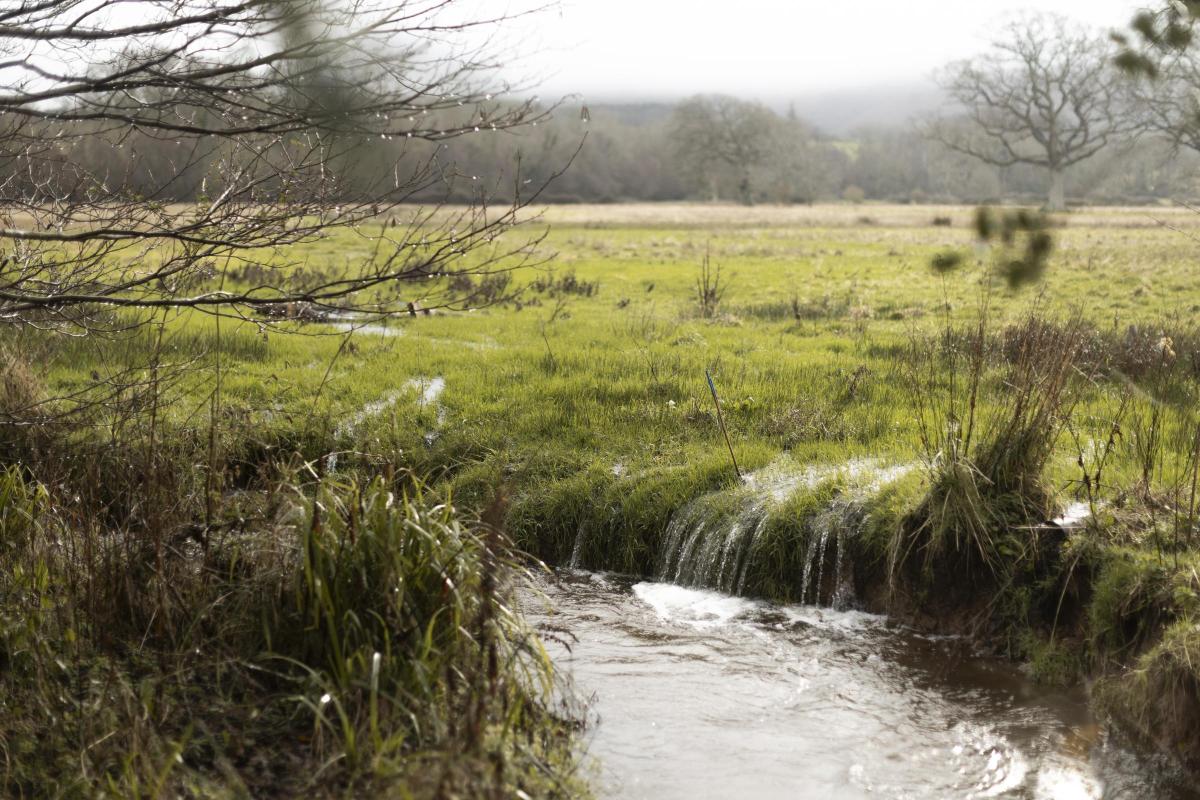
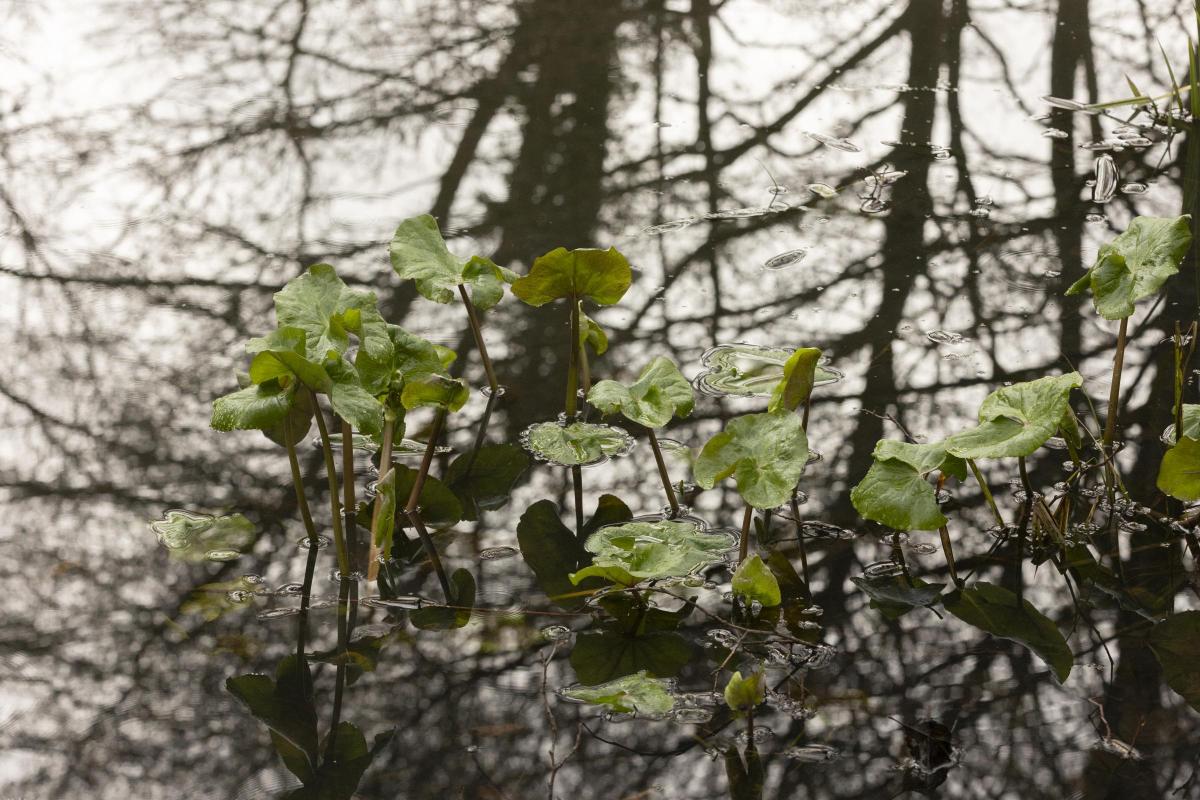
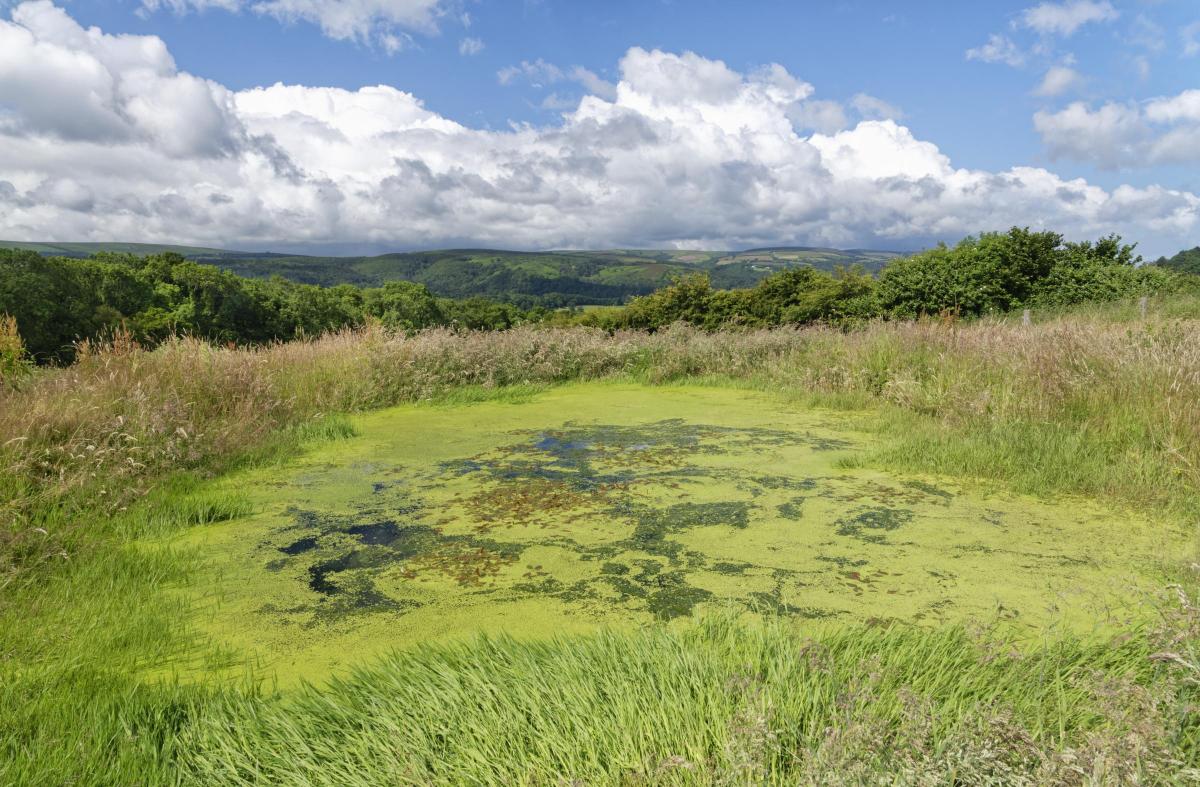
“The UK has lost over 97% of its wetlands through drainage and changes in land management. Renewing existing wetlands and identifying opportunities to create new areas will help wildlife thrive, improve water quality, reduce flood risk and create more resilient landscapes for future generations.”
Wetland charity WWT lists night heron as one of the species it believes may become an established breeder in the UK as ranges expand due to climate change. Staff at Holnicote hope the bird’s appearance is an early indication that their wetland work is helping to make space for such newcomers.
Holnicote Estate Beaver & Wetlands Project Officer Jack Siviter added: “We are continuing to focus on wetland creation through our project work, as well as letting beavers modify and produce these habitats at scale.
“If we can do this successfully, we are likely to see more wetland specialists arrive at Holnicote, and who knows – night herons might continue to appear.”


Share