








Find, save and share Public Notices that affect you in the area.
Search the Public Notice Portal What is the Public Notice Portal?What is the Public Notice Portal?
The Public Notice Portal carries statutory public notices published in local newspapers and is the fastest and most effective way of finding out what is happening in YOUR neighbourhood.
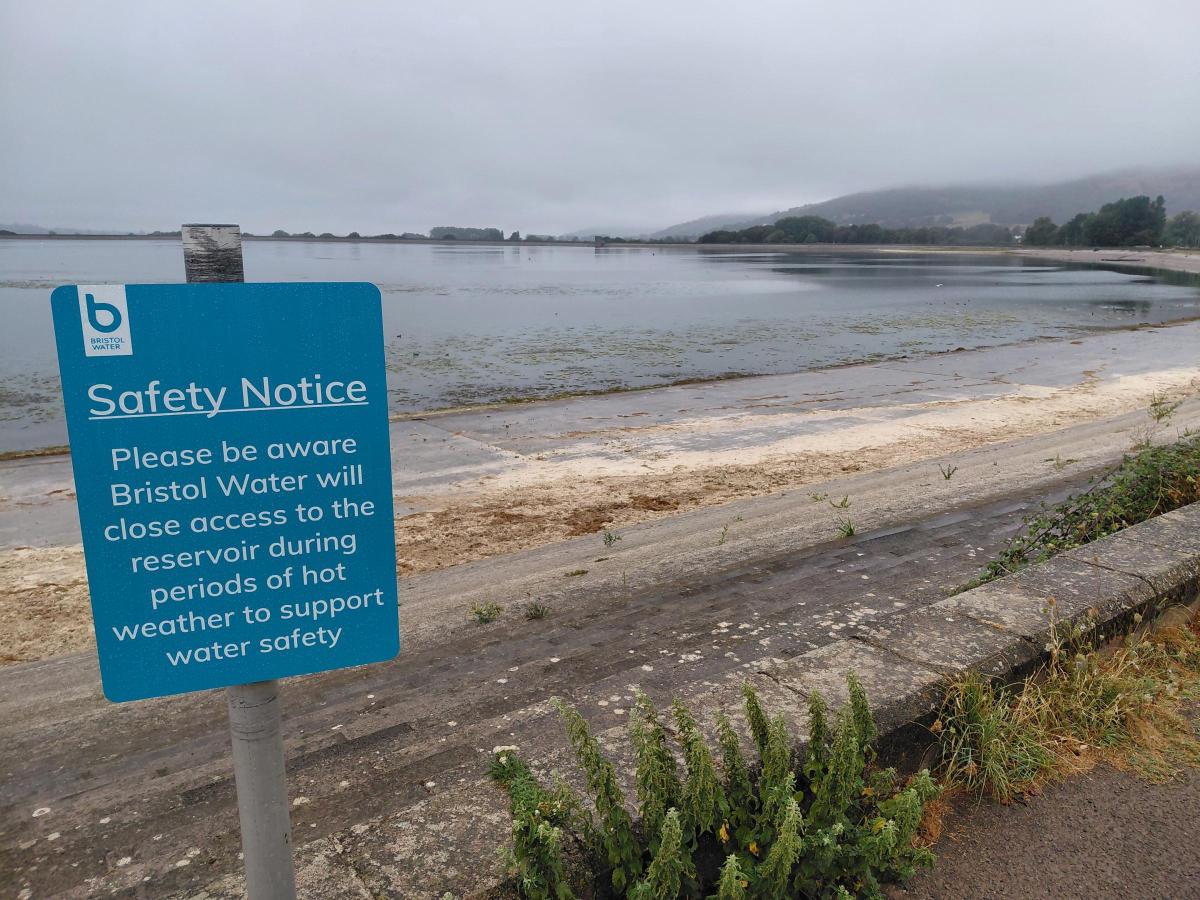
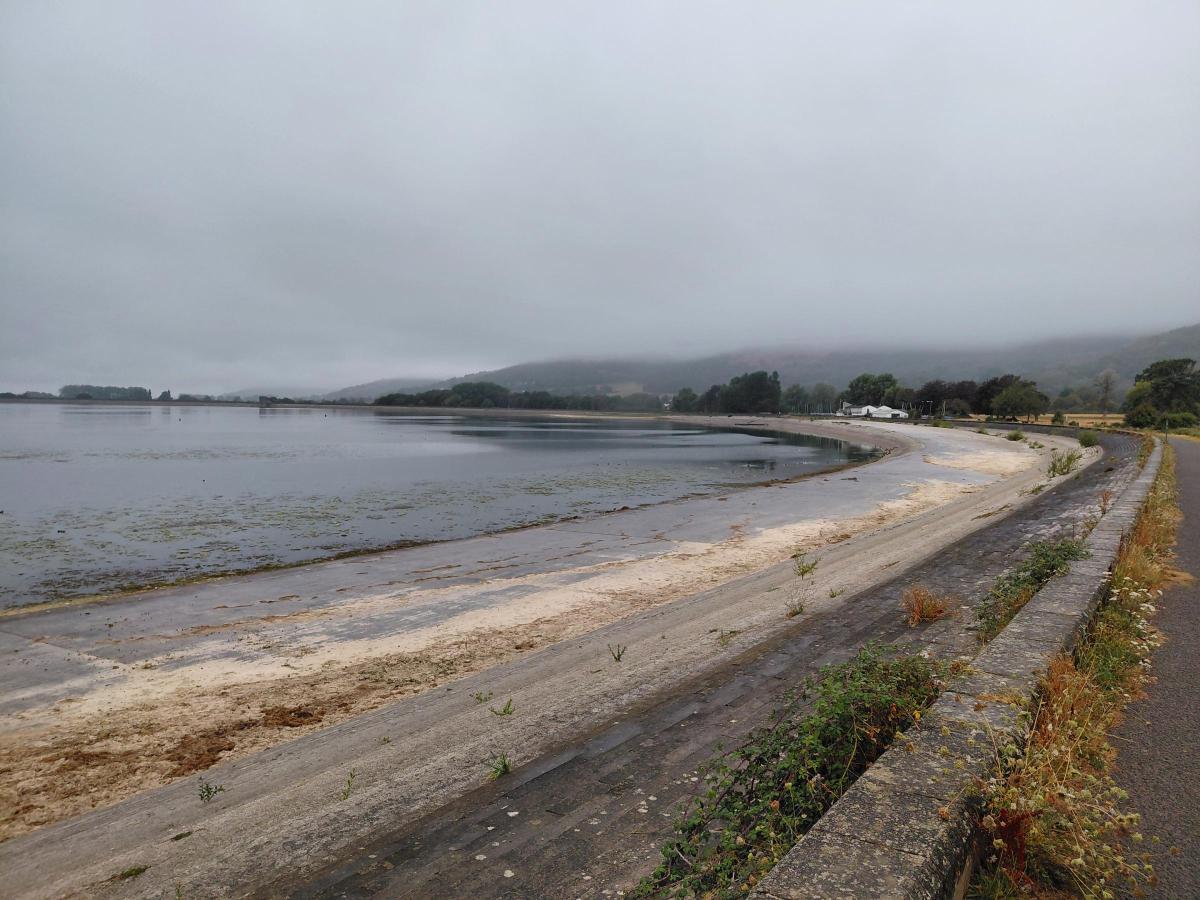
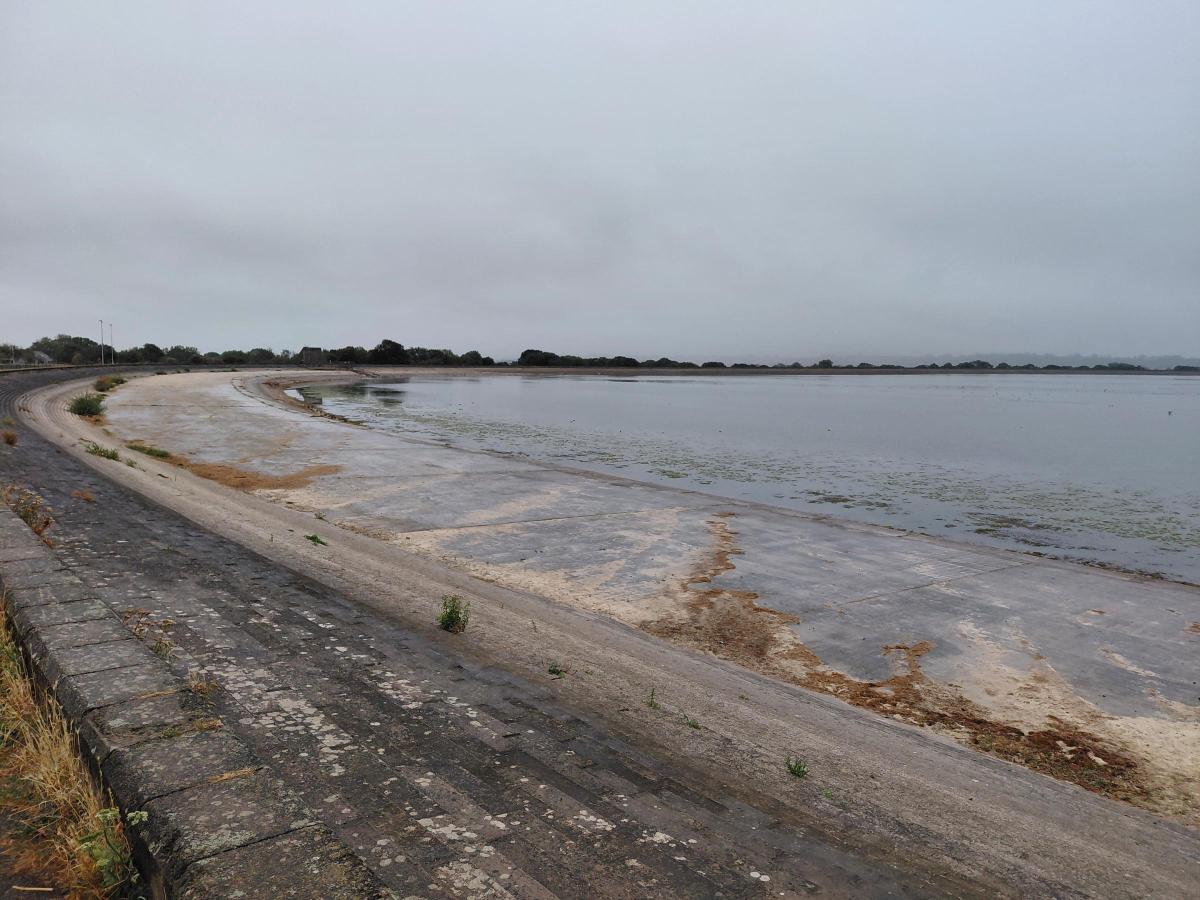
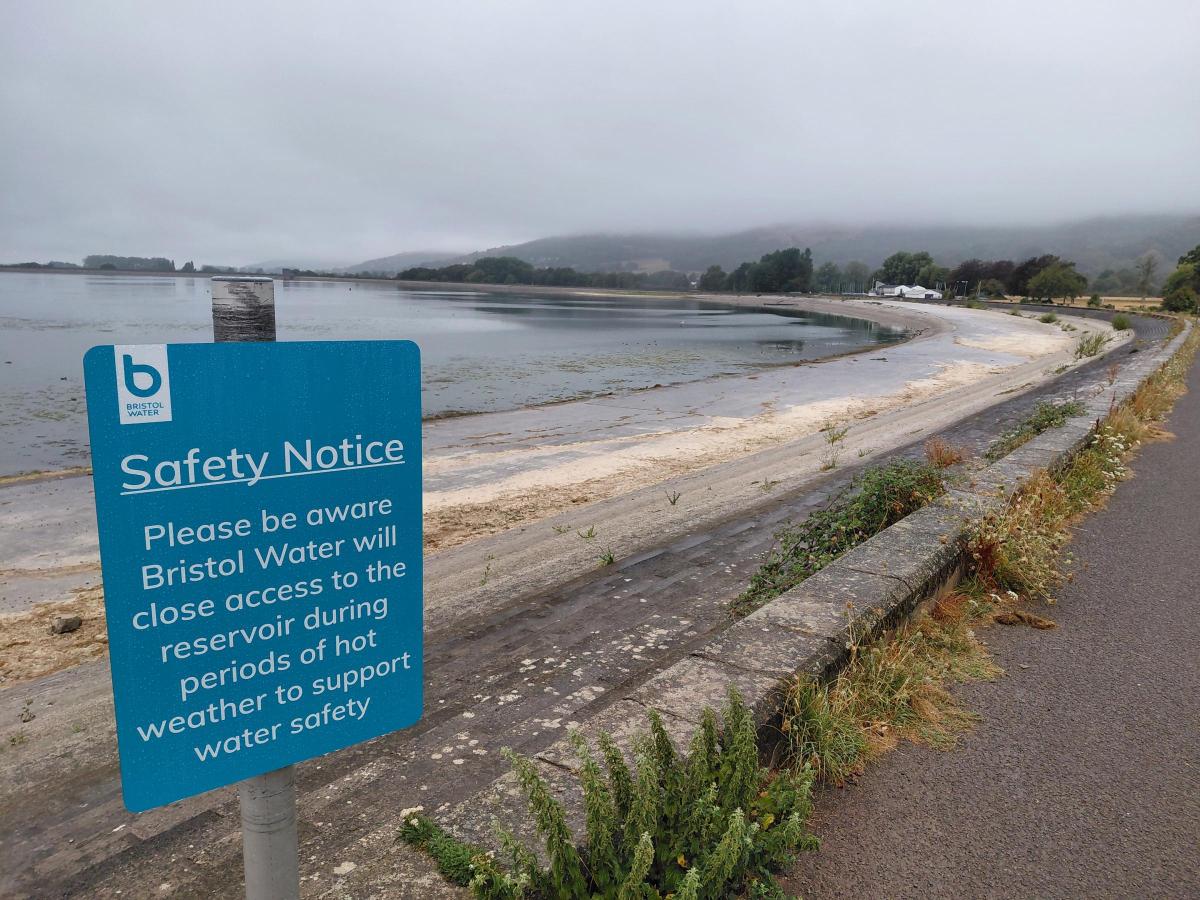
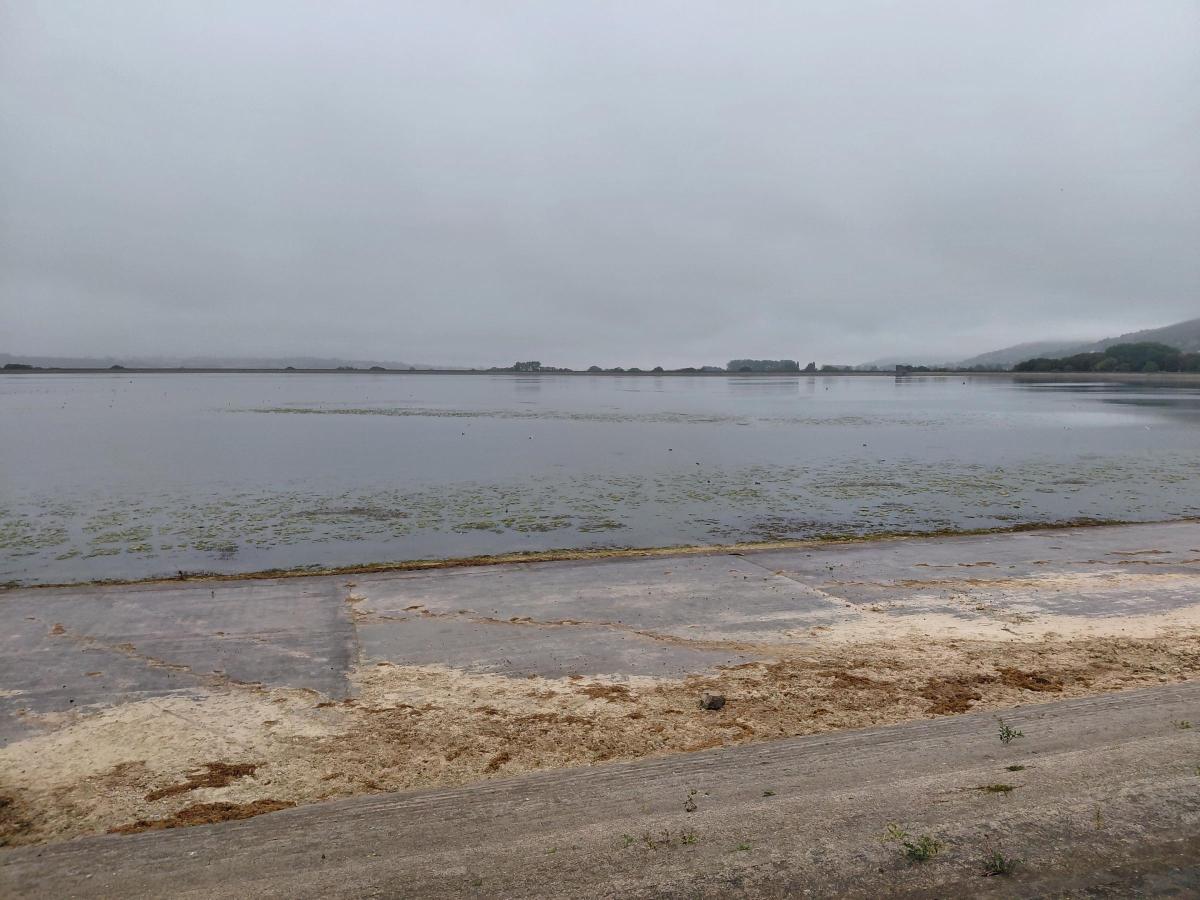
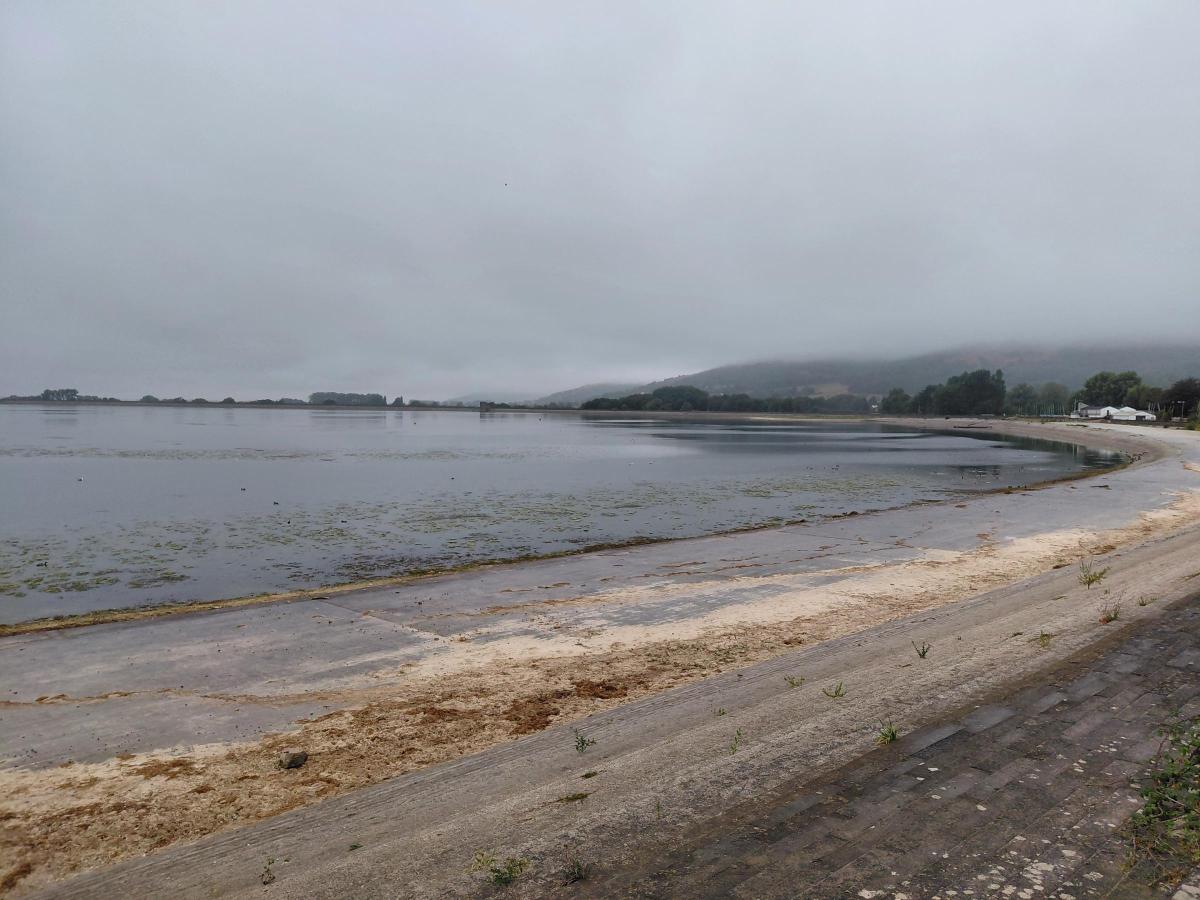
Search the Public Notice PortalWater companies across the south west have no plans to speed up the delivery of a second Cheddar reservoir despite the recent heatwaves.
The Cheddar Two project is being spearheaded by West Country Water and Environment (WCWE), an umbrella organisation bringing together Bournemouth Water, Bristol Water, the Environment Agency, South West Water and Wessex Water.
The first round of public consultation on the plans - which would see a second reservoir built south of the existing facility in Cheddar - concluded in early-October 2025, with a second round expected to be staged across Somerset some time before Christmas.
The water companies have confirmed that no effort is being made to speed up the new reservoir's delivery - meaning Somerset could face further hosepipe bans until 2035 if meteorological trends continue.
The current 'Cheddar One' reservoir is fed by the Cheddar Yeo river and predominantly provides drinking water to around 500,000 homes north of the Mendip Hills, including Bristol, Bath and south Gloucestershire.

.The planned 'Cheddar Two' reservoir, fed by the Cheddar Yeo and River Axe, will focus on transporting water to the south, primarily serving the Somerset Council area and small parts of the neighbouring counties.
To achieve this, a new pipeline will be needed to transport water from the reservoir to a service reservoir in North Petherton, making it available for Wessex Water customers in the wider Bridgwater area.
New pipelines will also be constructed east of the Quantock Hills, providing additional capacity for the likes of Kilve, Watchet and Williton which currently rely on water pumped from the Maundown treatment works near Wiveliscombe.
By putting this infrastructure in place, more water from Maundown can be pumped towards Tiverton, making it more accessible for South West Water customers in Devon.
The new pipelines will all be built underground to avoid any visual impact on Somerset's natural landscapes, with the new pipelines flowing under the River Parrett, the Bridgwater and Taunton Canal, the Bristol to Exeter mainline railway and the M5 motorway.
Read more
WCWE said that the new reservoir could not be fast-tracked without vastly changing the current regulatory progress - the ironically-named RAPID, which stands for the Regulators' Alliance for Progressing Infrastructure Development.
A spokesperson said: "Recent periods of hot and dry weather underline the importance of investing in long-term water resilience across the region.
"However, major infrastructure projects such as Cheddar Two must progress through established regulatory, environmental and planning processes to ensure they deliver environmental benefits, protect customers' interests and represent good value for money.
"The project continues to move forward through the RAPID gated process and remains an important part of plans to secure future water supplies for the south west."
Once the second round of public consultation on the proposals has been staged, formal planning permission for the reservoir is expected to be submitted to Somerset Council in 2027.

If approval is granted, the earliest stages of construction are expected to begin by the end of 2028, with the full construction expected to run from 2030 to 2034 and the site being fully operational by 2035.
The spokesperson added: "The Cheddar Two project remains a key part of long-term regional water resources planning, helping ensure resilient water supplies in the face of climate change, population growth and increasing pressure on water resources.
"The project will support future water supply needs across the south west while helping reduce reliance on environmentally sensitive sources, including rivers and precious underground aquifers.
"We have been reviewing consultation feedback, refining the programme, strengthening the project team and continuing technical and environmental assessments.
"We are also undertaking ongoing surveys across the project area to improve our understanding of local conditions and ensure the evidence base remains up to date.

"While a date for the next stage of consultation has not yet been confirmed, there will be further opportunities for communities and stakeholders to comment on the proposals before any planning application is submitted."
The Cheddar Two project forms part of a wider programme of "strategic resource options" (SROs), which are being developed to improve water resilience across the south west.
These include the Poole water recycling and transfer project in Dorset (which will "create a new sustainable water source through advanced water recycling") and the Mendip Quarries project, which is exploring whether disused quarries in the Mendip Hills can be used as new water storage reservoirs.
Further details of the Cheddar Two project and the related SROs can be found by visiting www.westcountrywaterandenvironment.org/flagship-projects/cheddar-reservoir-sro.

The spokesperson said: "Water companies across the region continue to assess a wide range of supply and demand options through their water resources management plans (WRMPs).
"These include infrastructure improvements, new water resource options, smart meter roll-outs, leakage reduction and water-efficiency programmes.
"The timing and delivery of individual schemes are determined through detailed technical, environmental and economic assessment to ensure resilient supplies are maintained while protecting the environment."


Share